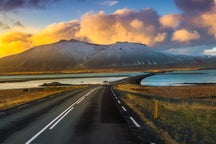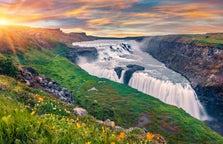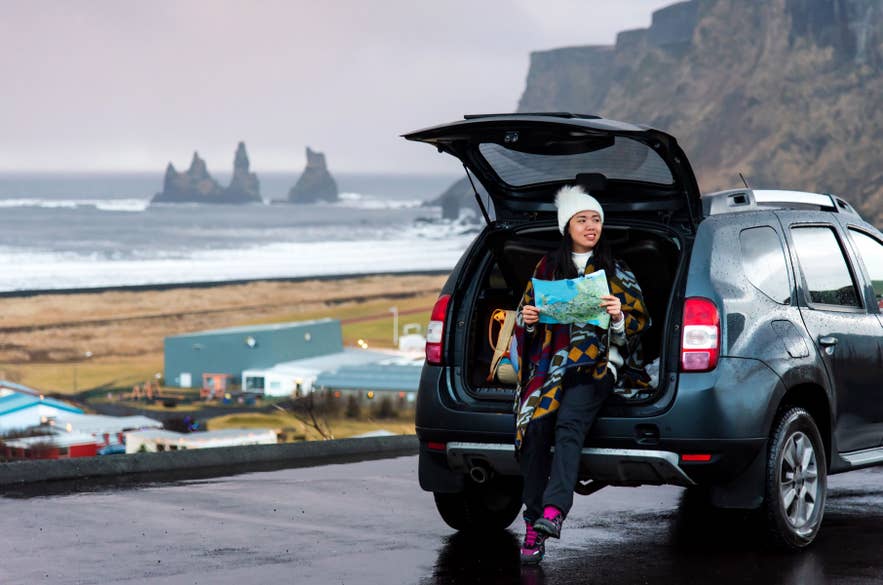
Spring in Iceland isn’t what most travelers expect. While the calendar says March to May, the weather in Iceland in spring often feels closer to winter, with sunshine quickly turning into wind, rain, or even snow.
If you’re wondering what to wear in Iceland in spring, the answer is simple: layered, waterproof, and windproof clothing is essential. Whether you're planning on self-drive road trips along the Ring Road to explore or taking one of many fantastic spring tours in Iceland, proper clothing ensures you enjoy every adventure without worrying about the weather.
Why You Can Trust Our Content
Guide to Iceland is the most trusted travel platform in Iceland, helping millions of visitors each year. All our content is written and reviewed by local experts who are deeply familiar with Iceland. You can count on us for accurate, up-to-date, and trustworthy travel advice.
This means investing in high-quality, waterproof clothing from recognized outdoor brands like 66 North for your Iceland spring trip. You don't want an unexpected rain shower to ruin your adventure.
This guide shows what clothes to wear in Iceland in spring, with month-by-month tips, layering strategies, and outfit ideas. It also includes a complete packing list to help you stay prepared without overpacking.
Quick Packing List for Spring in Iceland
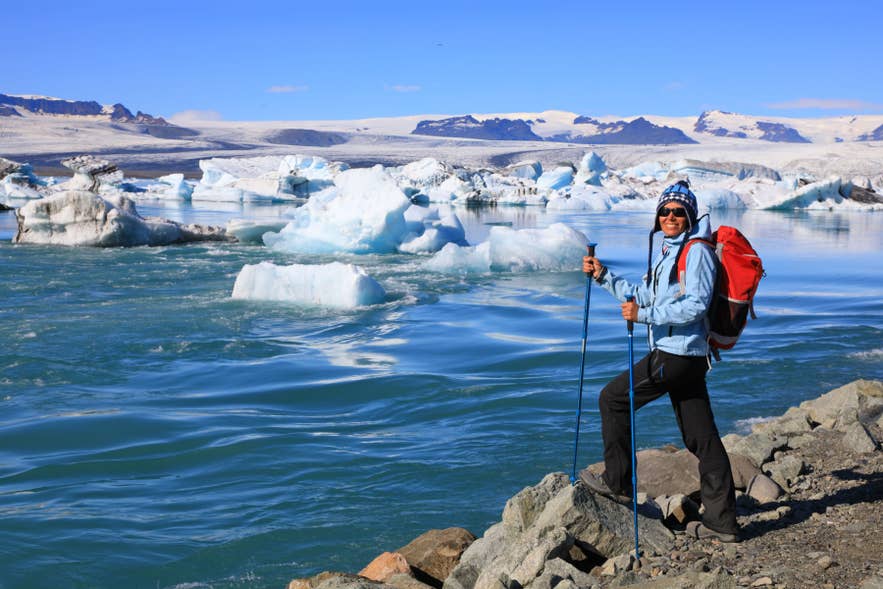 Here’s exactly what clothes to wear in Iceland in spring:
-
Base layer: Merino wool or synthetic thermal tops
-
Mid-layer: Fleece jackets or wool sweaters
-
Outer layer: Waterproof and windproof jacket
-
Bottoms: Waterproof pants or hiking pants
-
Shoes: Waterproof hiking boots with good ankle support
-
Accessories: Gloves, scarf, beanie, thick wool socks
What Is Spring Weather Like in Iceland?
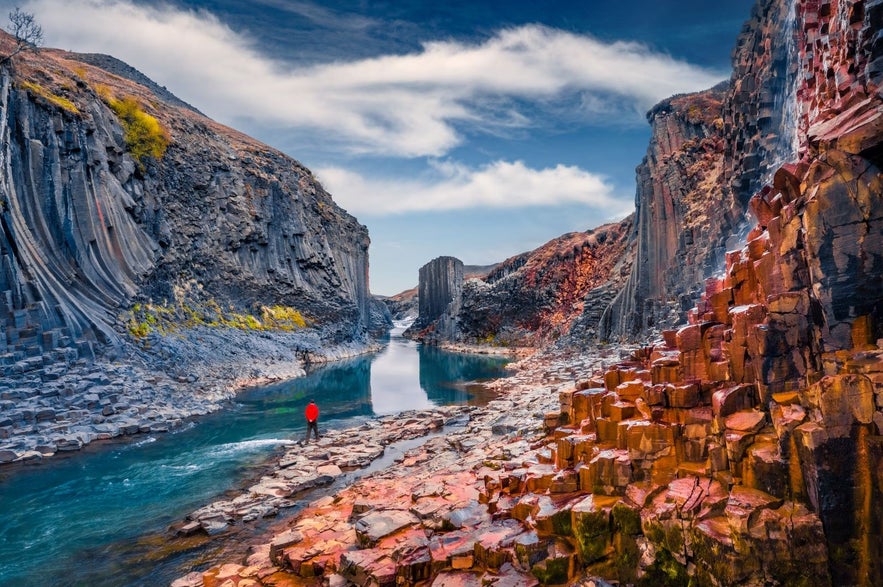
Spring weather conditions in Iceland are unpredictable, and even locals rely on layering year-round. You can experience sunshine, rain, snow, and strong winds all in the same day.
The weather in Iceland also varies depending on location:
-
The South Coast is milder but wetter
-
North Iceland is colder
-
Highlands and inland areas are colder and windier
March still calls for winter-level gear, while May in Iceland allows lighter layering, especially in coastal areas. If you want a deeper seasonal breakdown, see this best time to visit Iceland guide.
What To Pack by Month
 Spring in Iceland can be unpredictable, with sudden shifts from sun to wind, rain, or even snow. Knowing what to pack for Iceland in spring helps you stay comfortable while exploring glaciers, waterfalls, and the stunning landscapes. Here’s a month-by-month guide:
-
March: Winter jacket, heavy layers, gloves, thermal gear
-
April: Waterproof priority, flexible layering
-
May: Lighter layers, but still windproof and waterproof
Weather in Iceland in March
 Although March in Iceland is the beginning of spring, it still feels more like winter with average temperatures ranging from 28 F to 37 F (-2 C to 3 C). It's not uncommon to experience snow and cold winds during this month. Daylight increases to 10–13 hours by the end of the month, giving you more time to explore safely.
Despite the chill, March is a great time for northern lights tours, ice caving excursions, and visiting iconic waterfalls in Iceland like Skogafoss and Seljalandsfoss. To enjoy these top activities in March, plan what clothes to wear in Iceland for full winter-level layering, including insulated jackets, thermal layers, and waterproof pants.
Weather in Iceland in April
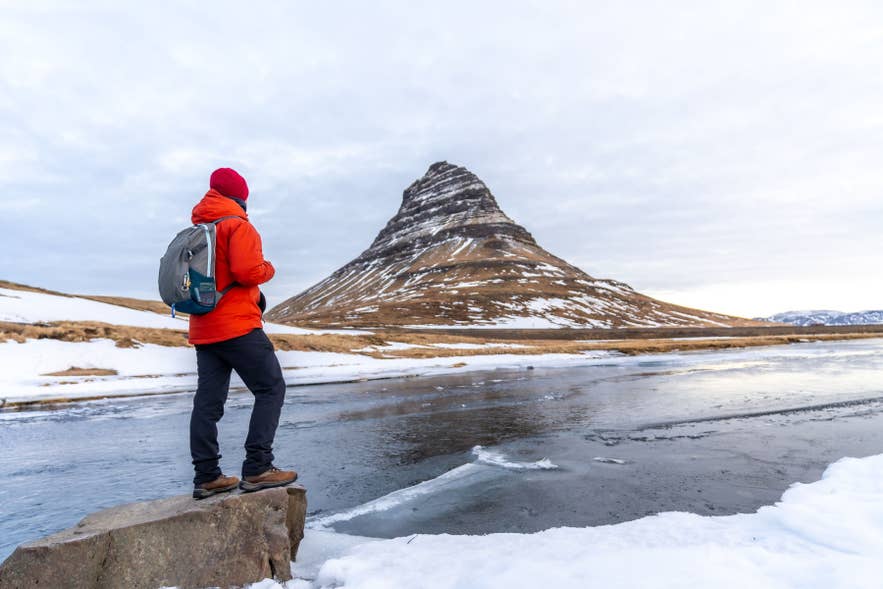 Average temperatures in April typically range from 32 F to 41 F (0 C to 5 C). Snow is less common, but you can still expect chilly weather, especially in the evenings and mornings.
Days last 13–16 hours, with frequent wind and rain, so wondering what to wear in Iceland in April, full windproof and waterproof gear is more important than heavy insulation. Pack layers for Iceland tours in April, like glacier adventures, snowmobiling tours, and northern lights tours. This is the last chance to see the aurora before the midnight sun makes sightings unlikely after mid-April.
Weather in Iceland in May
 May often brings more noticeable warmth, with average temperatures ranging from 37 F to 48 F (3 C to 9 C). This month usually marks a significant shift towards spring, with longer daylight of 17–21 hours, more sunshine, and an overall increase in temperature. If you’re wondering what to wear in Iceland in May, think layers and a windproof jacket, even if the weather in spring is milder.
It’s generally drier than earlier spring months, making it perfect for hiking, Ring Road road trips, birdwatching activities, whale watching tours, and exploring national parks in Iceland. For comfort on tours in May, layering ensures comfort during Iceland’s changing spring weather.
A Breakdown of What To Wear in Iceland in Spring
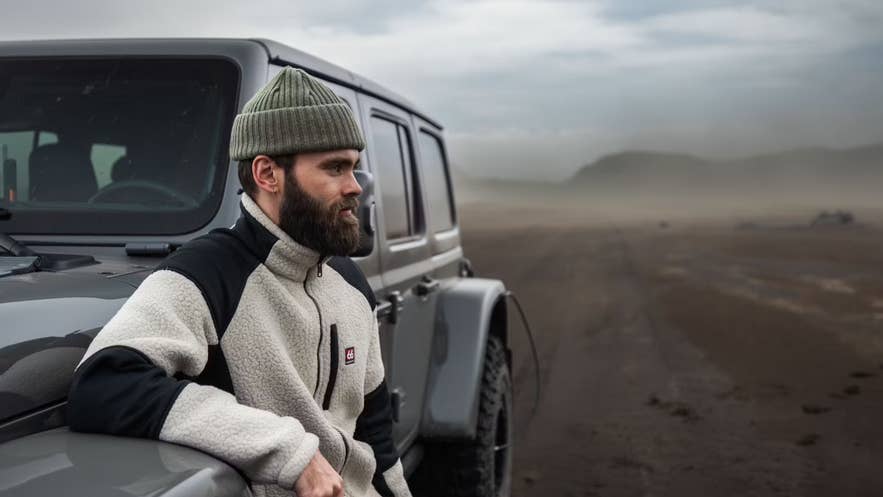
Although things have started to warm up during spring in Iceland, you can still expect the weather to be a bit cold. If you’re wondering what to wear in Iceland in spring, using multiple functional layers allows you to adjust to changing conditions.
Base Layers
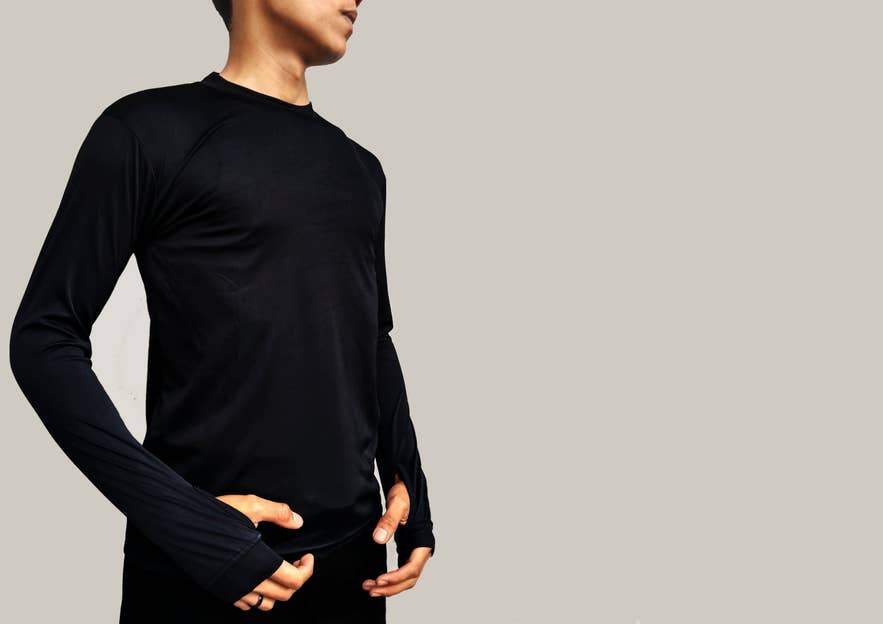 Base layers sit close to your skin and wick away moisture to keep you dry during waterfall visits, coastal walks, or hiking tours in Iceland. Choose thermal tops and leggings made from merino wool as it is soft, breathable, and odor-resistant, perfect for multiple days of wear. Avoid cotton, as it holds moisture and can make you feel cold quickly.
Middle Layers
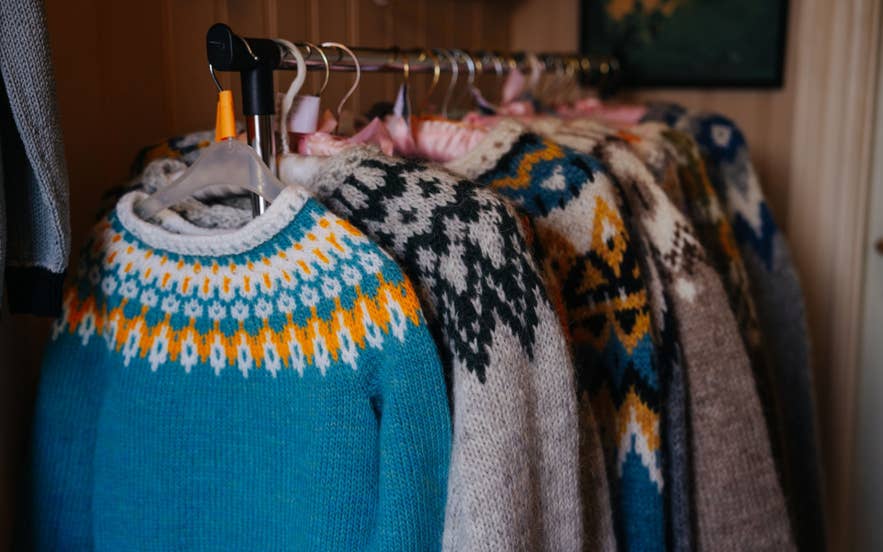 Middle layers provide insulation and help retain body heat in Iceland’s cold and windy weather. If you’re wondering what clothes to wear in Iceland in spring, fleece jackets or lopapeysa sweaters made from Icelandic sheep's wool are the best options. They are warm, breathable, and quick-drying, making them easy to adjust depending on the weather or activity level.
Bottoms
 Bottoms protect against rain, snow, and icy sprays near waterfalls. When deciding what trousers to wear in Iceland in spring, choose waterproof or quick-dry hiking pants (nylon or polyester), ideally layered over thermals.
Avoid jeans, as they absorb water, dry slowly, and become heavy and uncomfortable in wet weather. If you don’t want to buy new gear, consider renting waterproof pants in Iceland for a convenient option.
Outerwear
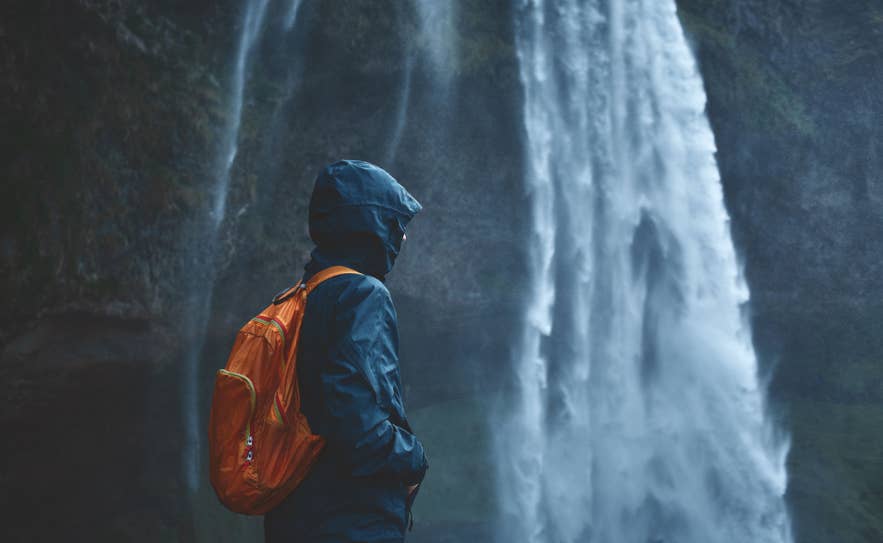 Rain is common, so knowing what to wear in spring in Iceland is key to staying dry in both city streets and the countryside. A waterproof, windproof jacket shields you from rain, snow, and gusts, while an insulated parka adds warmth.
For convenience, consider a waterproof jacket rental in Iceland to avoid packing bulky outerwear. Choose breathable fabrics to let moisture escape and stay comfortable all day.
Footwear
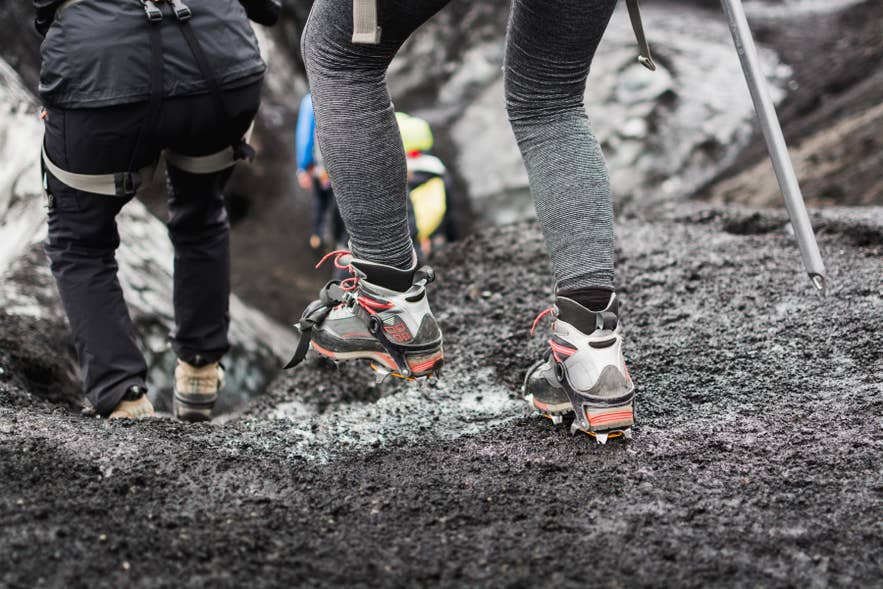 The best shoes to wear in Iceland are waterproof hiking boots with good grip and ankle support. Look for durable materials with waterproof membranes. Pair them with wool socks to keep your feet warm and dry throughout your trip. If you prefer to travel light, you can also rent hiking shoes in Iceland.
What To Wear in Iceland for Different Activities in Spring
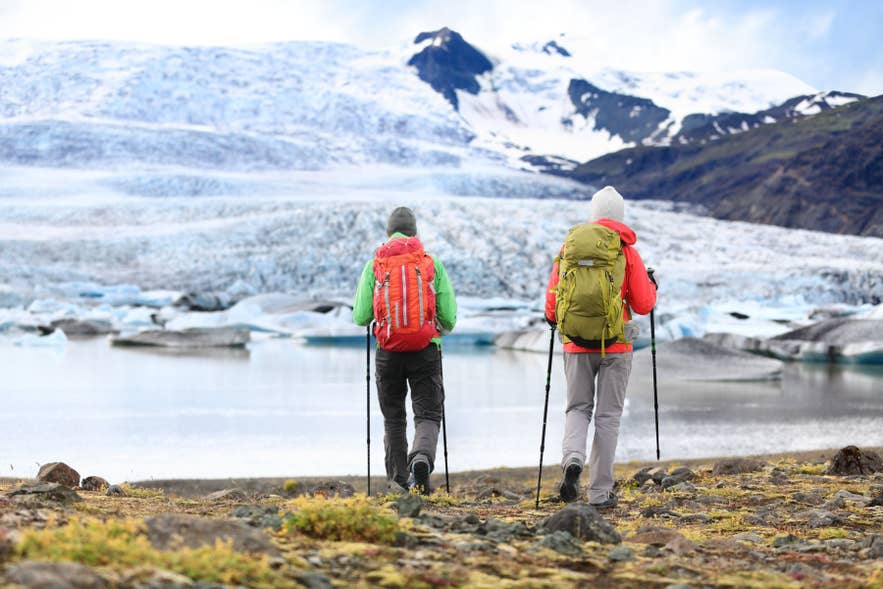 Your clothing in Iceland should adapt to the activity and location. Here’s a quick guide on what to wear in Iceland in spring for every adventure:
Outfit Ideas for Iceland for Sightseeing in Reykjavik
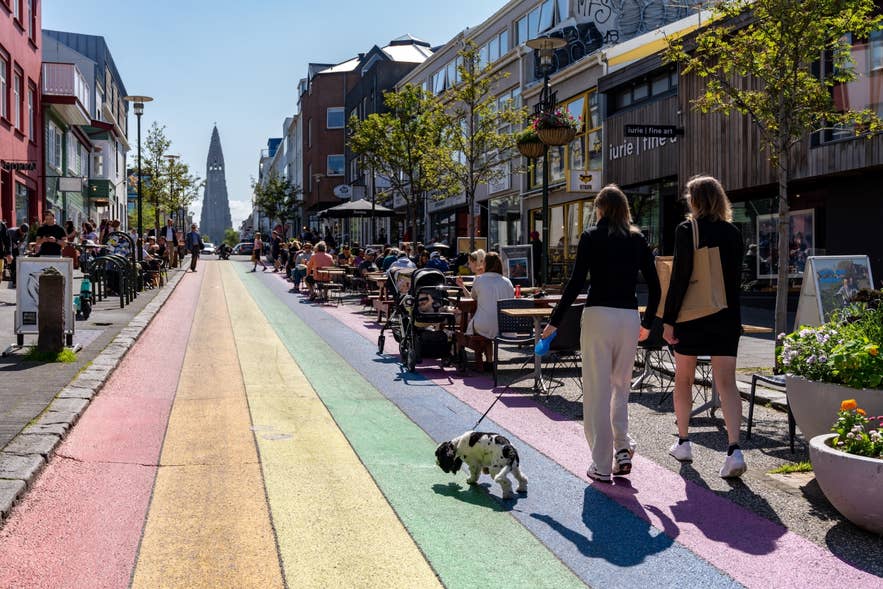
Longer daylight and milder weather in spring make Reykjavik walking tours along the Old Harbor or Laugavegur Street more enjoyable. Reykjavik has pleasant weather in spring, but strong winds can still make it feel chilly.
If you’re wondering what clothes to wear in Iceland for city sightseeing, streetwear like denim jeans, sneakers, and a light wool sweater works well. Pair these with a windproof shell jacket for protection against strong winds.
What To Wear for Sightseeing in Reykjavik in Spring:
-
Base Layer: Light thermal top (optional in May)
-
Mid-Layer: Wool sweater or fleece jacket
-
Outer Layer: Lightweight, waterproof, and windproof jacket
-
Bottoms: Jeans or warm trousers (fine for city use)
-
Footwear: Waterproof sneakers or ankle boots
-
Accessories: Light scarf and beanie (especially in March–April)
What Not To Wear for Sightseeing in Reykjavik in Spring:
-
Thin jackets without wind protection
-
Cotton-only outfits on windy days
Outfit Ideas for Iceland for Waterfalls & Nature Spots
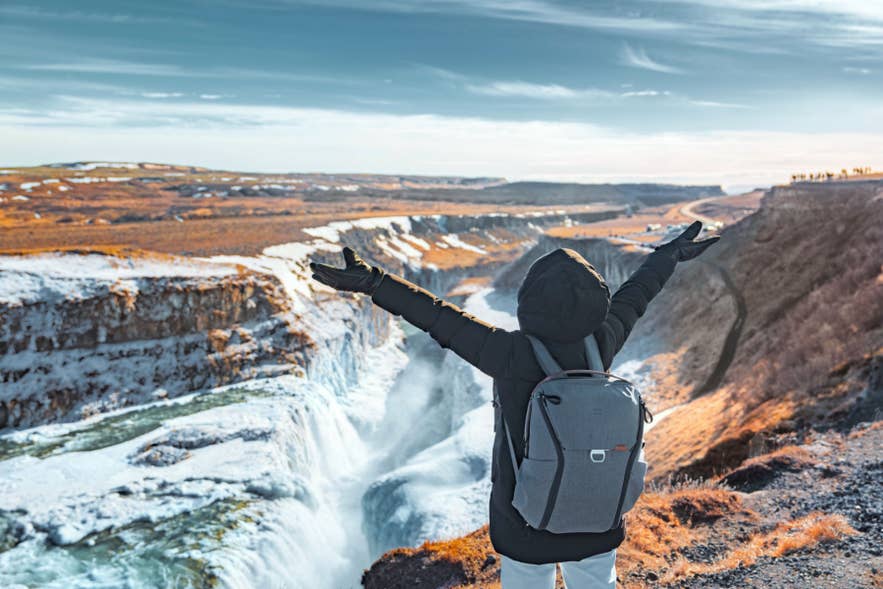 Melting snow feeds powerful waterfalls and rivers, making spring perfect for nature tours in Iceland. Many waterfalls, like Seljalandsfoss and Skogafoss, let you get up close, so knowing what clothes to bring to Iceland is essential, as you might get wet.
What To Wear for Waterfalls & Nature Spots in Spring:
-
Base Layer: Thermal top and leggings
-
Mid-Layer: Fleece or wool sweater
-
Outer Layer: Waterproof and windproof jacket
-
Bottoms: Waterproof pants
-
Footwear: Waterproof hiking boots with good grip
-
Accessories: Gloves, beanie, and backpack for extra layers
What Not To Wear for Waterfalls & Nature Spots in Spring:
-
Jeans
-
Cotton clothing
-
Light sneakers
Outfit Ideas for Iceland for Horseback Riding & Outdoor Adventures
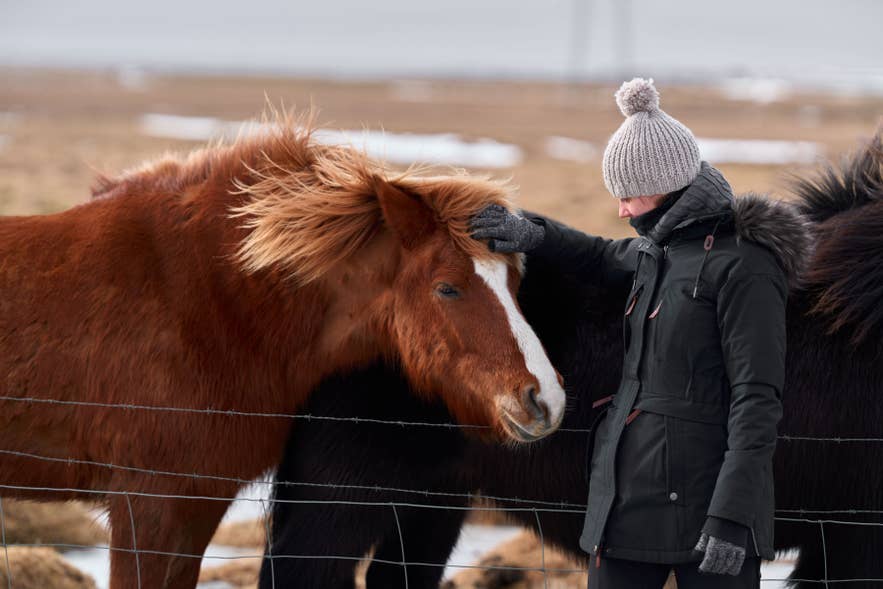
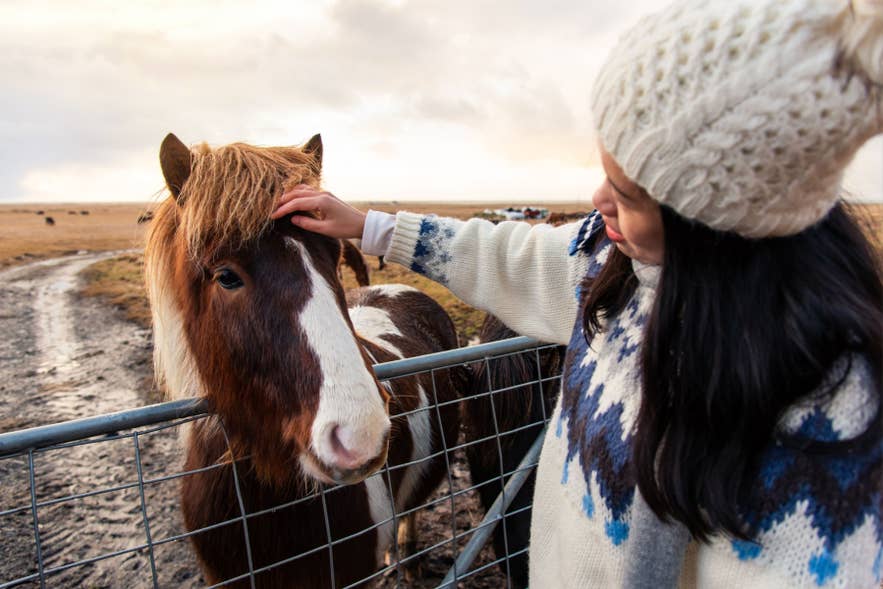 When planning what clothes to wear for horse riding tours in Iceland, wearing layered clothing works best. It’s best to choose gear that is fully waterproof instead of only water-resistant to handle unpredictable weather conditions.
What To Wear for Horseback Riding in Spring:
-
Base Layer: Thermal base layer
-
Mid-Layer: Fleece or lightweight insulated jacket
-
Outer Layer: Windproof and waterproof jacket
-
Bottoms: Flexible, water-resistant, or waterproof pants
-
Footwear: Sturdy boots (riding boots or hiking boots)
-
Accessories: Gloves
What Not To Wear for Horseback Riding in Spring:
-
Jeans (restrict movement + get cold when wet)
-
Bulky layers that limit mobility
-
Cotton clothing that retains moisture
Outfit Ideas in Iceland for Glacier Hiking, Ice Caving, and Other Glacier Tours
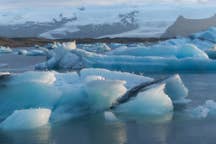
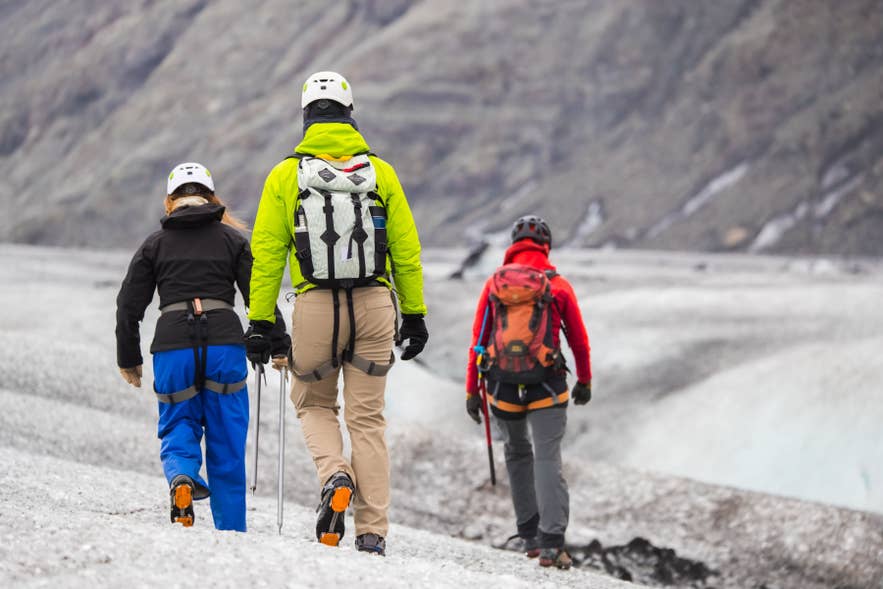 Spring offers safer glacier hikes as ice begins to melt slowly. While most natural ice caves close after March, Katla Ice Cave remains accessible year-round. To enjoy these activities safely, know what clothes to wear during spring in Iceland for cold, wet, and icy conditions.
Guided glacier adventures in Iceland usually provide crampons and helmets. So all you need to bring during spring in Iceland is warm layered clothing and waterproof hiking boots with ankle support, as crampons must be securely attached. Pair thick wool socks with a thin liner sock underneath to prevent blisters and keep your feet warm and dry.
What To Wear for Glacier Tours in Spring:
-
Base Layer: Thermal top and leggings (merino wool preferred)
-
Mid-Layer: Insulated jacket or thick fleece
-
Outer Layer: Fully waterproof and windproof shell jacket
-
Bottoms: Waterproof pants (mandatory)
-
Footwear: Waterproof hiking boots with ankle support (for crampons)
-
Accessories: Warm gloves, beanie, and wool socks (plus liner socks)
What Not To Wear for Glacier Tours in Spring:
-
Sneakers (crampons won’t fit properly)
-
Jeans or cotton layers
-
Non-waterproof gear
Outfit Ideas in Iceland for Whale Watching & Boat Tours
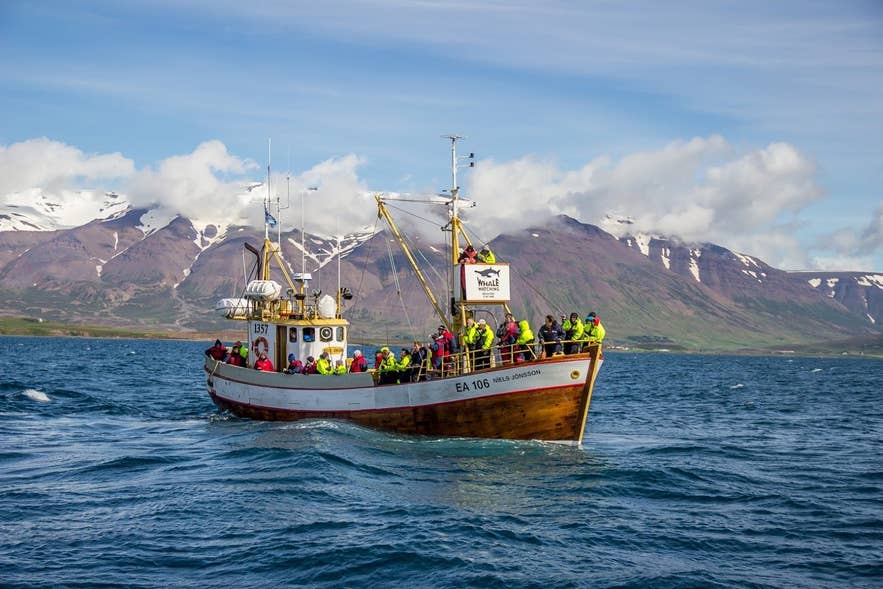 Spring is a good whale watching season, with minke whales and humpbacks active along the coasts and puffins returning in late April. Wind chill during boat excursions can make it feel much colder than on land, so plan carefully for what clothes to wear in Iceland during wildlife tours. Nearly all whale-watching tours in Iceland supply waterproof, windproof thermal overalls to keep you warm and dry.
What To Wear for Whale Watching & Boat Tours in Spring:
-
Base Layer: Thermal top
-
Mid-Layer: Fleece or insulated jacket
-
Outer Layer: Windproof and waterproof jacket
-
Bottoms: Warm pants or waterproof pants
-
Footwear: Non-slip waterproof shoes or boots
-
Accessories: Gloves, hat, and scarf
What Not To Wear for Whale Watching & Boat Tours in Spring:
-
Light jackets (the wind at sea is much colder)
-
Open shoes
-
Cotton clothing
Outfit Ideas for Iceland for Northern Lights Tours
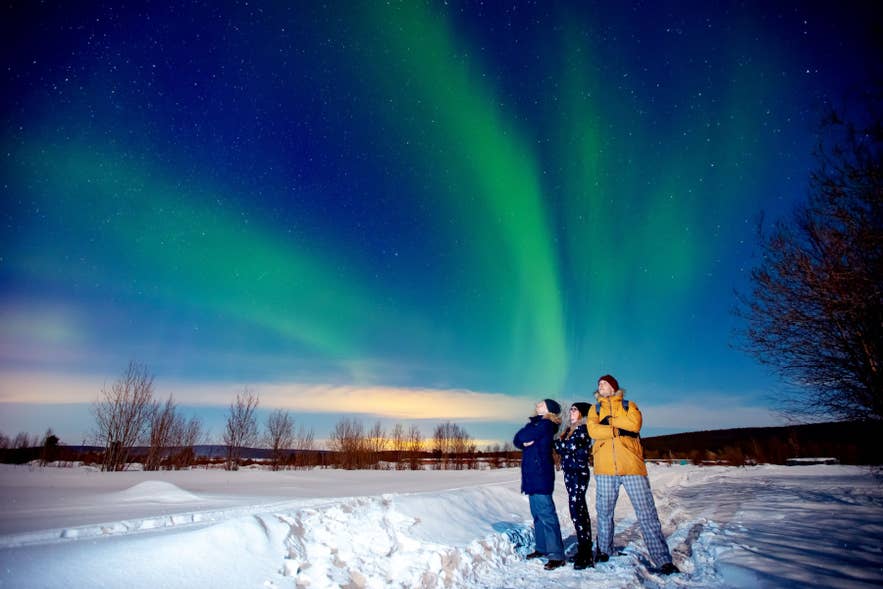 March and early April are the tail end of aurora season in Iceland. Dark skies and fewer tourists make this ideal for northern lights spotting from quiet coastal spots or the remote countryside. Nights can be freezing, so it’s important to consider what clothes to wear during spring in Iceland for warmth.
What To Wear for Northern Lights Tours in Spring:
-
Base Layer: Thermal top and leggings
-
Mid-Layer: Thick fleece or insulated jacket
-
Outer-Layer: Heavy insulated, windproof, waterproof jacket
-
Bottoms: Insulated or layered pants
-
Footwear: Insulated waterproof boots
-
Accessories: Gloves, beanie, wool socks, hand warmers (optional but useful)
What Not To Wear for Northern Lights Tours in Spring:
-
Thin jackets
-
Sneakers and non-insulated shoes
-
Cotton clothing
Outfit Ideas for Hot Spring Bathing in Iceland
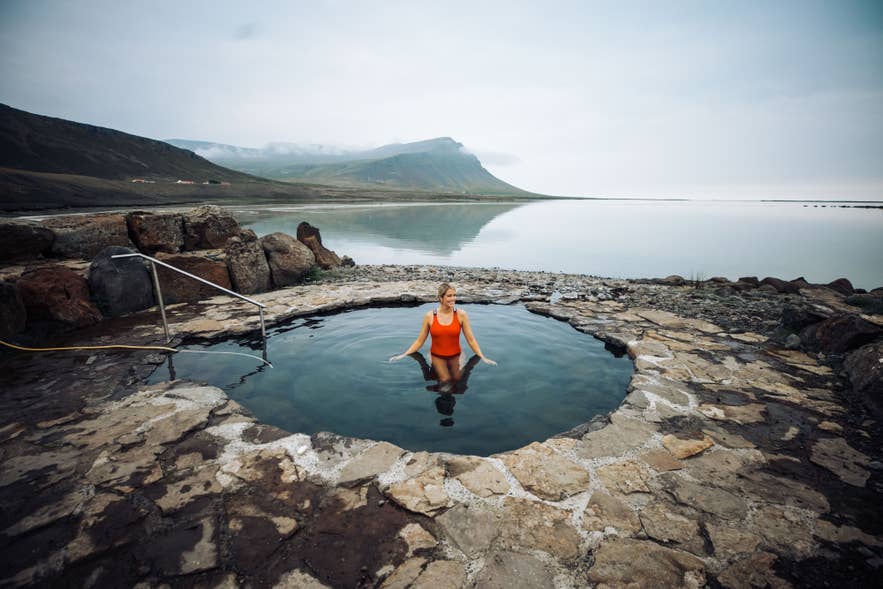
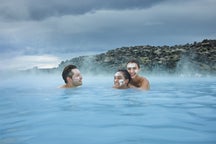
Spring is a great time to experience Iceland’s hot springs and geothermal spas, from natural springs in Reykjadalur Valley to well-known sites such as Blue Lagoon. While Blue Lagoon offers easier access and built-in facilities, natural hot springs often require short hikes through open terrain before you reach the warm water.
For comfort, wear layers that are easy to remove and quick to dry, with swimwear underneath. Waterproof footwear with good grip is important for uneven paths, while a warm layer, a towel, and a dry bag will make the experience more comfortable after your soak.
What To Wear for Hot Spring Bathing in Spring:
-
Base Layer: Quick-dry clothing or swimwear
-
Mid-Layer: Lightweight fleece or hoodie for walking to pools
-
Outer-Layer: Windproof jacket if visiting outdoor pools
-
Bottoms: Quick-dry pants or fleece-lined leggings
-
Footwear: Waterproof sandals or shoes with grip to navigate wet areas
-
Accessories: Towel, hair tie, beanie, and dry bag for wet gear
What Not To Wear for Hot Spring Bathing in Spring:
-
Non-waterproof shoes
-
Thick winter jackets while in the water
Outfit Ideas for Iceland During Road Trips
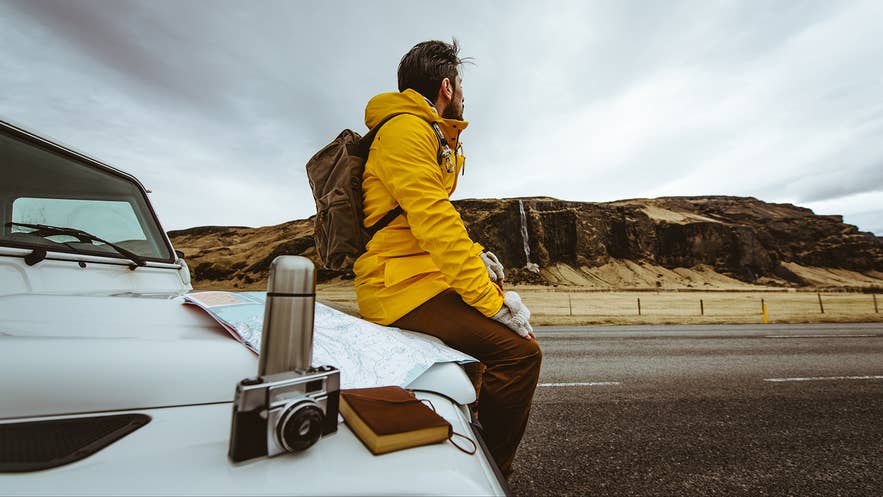
Spring opens the Ring Road for scenic self-drive tours in Iceland with fewer crowds and longer daylight. Planning ahead also helps you decide what clothes to bring to Iceland for spontaneous stops at waterfalls, volcanic landscapes, or coastal viewpoints.
What To Wear for Road Trips in Spring:
-
Base Layer: Lightweight thermal top
-
Mid-Layer: Hoodie or fleece
-
Outer Layer: Waterproof and windproof jacket
-
Bottoms: Stretchy pants or hiking pants
-
Footwear: Comfortable waterproof shoes
-
Accessories: Sunglasses and a beanie
What Not To Wear for Road Trips in Spring:
-
Tight or restrictive clothing
-
Heavy layers that are hard to remove
-
Non-waterproof shoes
What Not To Wear in Iceland in Spring
 Knowing what to pack for Iceland is crucial for staying warm and dry during spring. Avoid common clothing mistakes that can leave you restricted during your adventures.
-
Jeans for outdoor activities: Get wet easily and stay wet, chilling you quickly.
-
Cotton clothing: Absorbs moisture, dries slowly, and traps cold.
-
Fashion boots: Stylish shoes often lack waterproofing, insulation, and traction.
-
Thin jackets: Offer little protection against wind, rain, or snow.
-
Umbrellas: Locals rarely use umbrellas due to strong winds.
-
Non-waterproof jackets or shoes: Water-resistant gear isn’t enough; full waterproof protection is essential.
-
Open shoes or sandals: Trails, beaches, and snow patches are wet and cold.
-
Thin socks: Light socks won’t keep feet warm in wet hiking boots.
Spring Travel Tips for Iceland
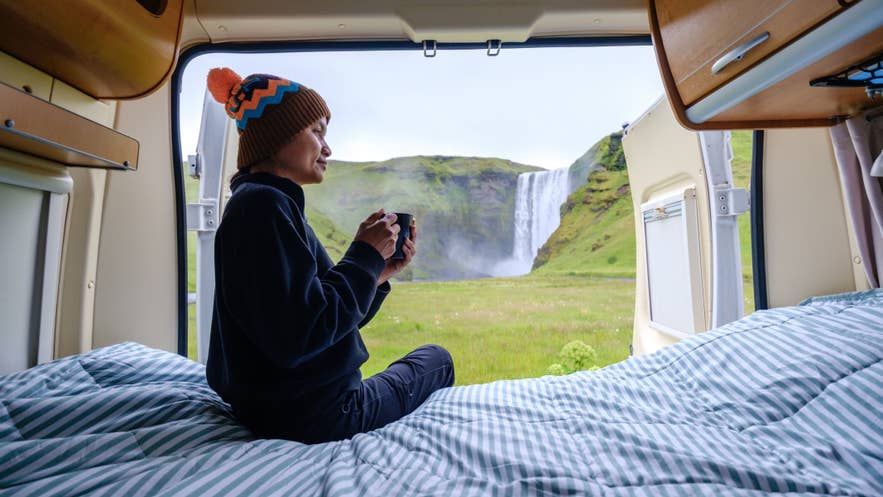 Spring in Iceland brings rapidly changing weather, from cool winds to unexpected showers. These travel tips will help you stay protected, cozy, and ready to enjoy Iceland’s stunning landscapes.
-
Icelanders rely on layering year-round
-
Wind is often more intense than the temperature
-
Always check the weather forecast in Iceland daily
-
Pack extra dry socks
-
Waterproof gear is worth the investment
Dressing Smart for Spring in Iceland
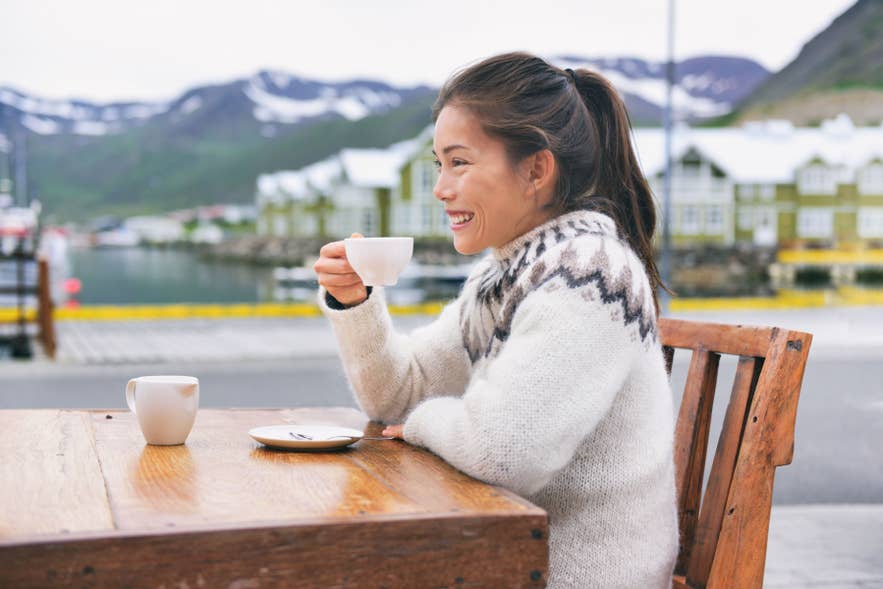 Packing for Iceland in spring is all about being prepared for anything. With constantly changing weather, the key is to rely on layering, waterproof clothing, and sturdy footwear rather than bulky outfits.
Whether you're exploring Reykjavik, chasing waterfalls, or heading out on adventure tours in Iceland, the right clothing will make your experience far more enjoyable. Focus on staying warm, dry, and flexible, and you’ll be ready to take on Iceland’s dramatic landscapes in comfort, no matter what the weather brings.
We hope you are now all the wiser when it comes to what to wear in Iceland during the springtime. Are you planning a trip in the spring? Do you have some other good tips on what to wear? Let us know in the comments below!